Caramel 101: A Complete Guide to 4 Caramel Methods, Texture & Troubleshooting
Members article
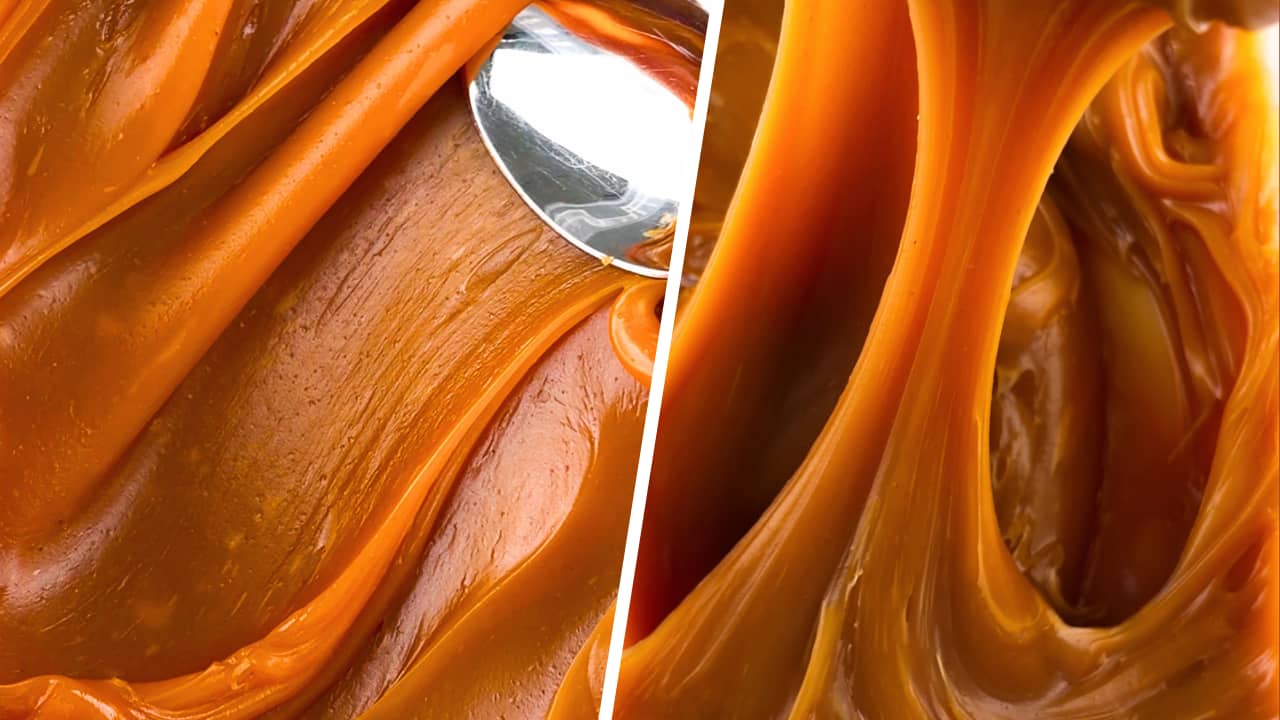
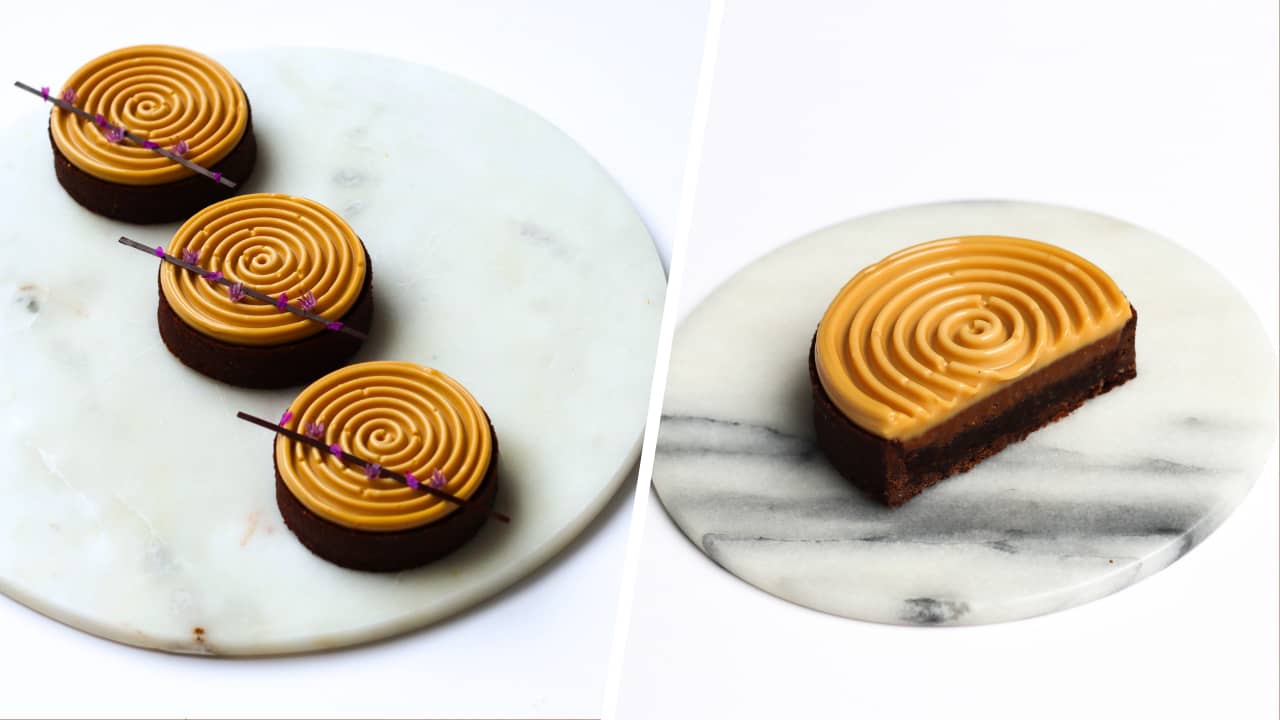
Caramel is such a versatile part of pastry, and I use it in everything from creamy fillings to rich sauces. Caramel is one of those classic pastry techniques that can seem simple at first, but there’s actually quite a lot happening when you make it.
The temperature you cook it to, the ingredients you add, and even how you stir, heat, and cool it can all affect the final color, flavor, and texture. Once you understand these basics, it becomes much easier to get the result you’re looking for.
In this caramel guide, we’ll cover:
What caramel is and how it works
How to create different caramel textures, from runny to pipeable to firm
Four of my go-to caramel methods, including the recipes
My top tips for getting consistent results
Common caramel problems, why they happen, and how to fix them
A downloadable troubleshooting guide to keep handy whenever you’re making caramel
Whether you’re making caramel for a cake, dessert, sauce, or decoration, my goal is to make the process feel much less intimidating and help you understand why caramel behaves the way it does.
At its simplest, caramel starts with sugar. When you heat sugar to a high enough temperature, it melts and begins to caramelize. As it heats, the sugar molecules break down and react with one another, creating new flavor and aroma compounds. This is what gives caramel its characteristic golden color and deep, toasted flavor.
The longer and hotter the sugar is cooked, the darker and more intense the caramel becomes. A lighter caramel will have a sweeter, more delicate flavor, while a darker caramel develops deeper, more complex, and slightly bitter notes. Take it too far, though, and the caramel can become burnt and bitter.
Did you know?When making a classic cream-based caramel, the first cooking stage – when you caramelize the sugar before adding the liquids – is typically around 180–185°C (356–365°F). This is when the sugar develops its golden-amber color and characteristic caramel flavor.
Once the sugar has caramelized, other ingredients (e.g. liquids) can be added depending on the type of caramel you’re making. These ingredients, along with the ratios and final cooking temperature, have a major effect on the final caramel. They let us create everything from a pourable caramel sauce to a thick, pipeable caramel or a firm caramel layer.
Join my weekly newsletter for new recipes, practical pastry tips, troubleshooting advice and behind-the-scenes insights into my work as a cake artist, and you’ll receive A Taste of My Pastry World: 3 signature dessert recipes with detailed instructions and troubleshooting guidance.
*You can unsubscribe at any time. View the Privacy Policy.
Cookie Consent
We use cookies to improve your experience. You can accept, reject or choose in Preferences.
Cookie Preferences
Manage your cookie preferences below:
Essential cookies enable basic functions and are necessary for the proper function of the website.
Name
Description
Duration
Cookie Preferences
This cookie is used to store the user's cookie consent preferences.
365 days
These cookies are needed for adding comments on this website.
Name
Description
Duration
comment_author
Used to track the user across multiple sessions.
Session
comment_author_email
Used to track the user across multiple sessions.
Session
comment_author_url
Used to track the user across multiple sessions.
Session
Statistics cookies collect information anonymously. This information helps us understand how visitors use our website.
Vimeo is a video hosting platform for high-quality content, ideal for creators and businesses to showcase their work.
This first party cookie created by Vimeo is used to assign a Vimeo Analytics unique id.
1 minute
Player
This first party cookie created by Vimeo is used to remember user’s player mode preferences.
1 minute
continuous_play_v3
Used to keep track of whether continuous play is on or not for a user
2 years
sd_identity
Collects analytical tracking information about videos and enables the player to function properly.
2 years
sd_client_id
Collects analytical tracking information about videos and enables the player to function properly.
2 years
SourceBuster is used by WooCommerce for order attribution based on user source.
Name
Description
Duration
sbjs_session
The number of page views in this session and the current page path
30 minutes
sbjs_udata
Information about the visitor’s user agent, such as IP, the browser, and the device type
session
sbjs_first
Traffic origin information for the visitor’s first visit to your store (only applicable if the visitor returns before the session expires)
session
sbjs_current
Traffic origin information for the visitor’s current visit to your store
session
sbjs_first_add
Timestamp, referring URL, and entry page for your visitor’s first visit to your store (only applicable if the visitor returns before the session expires)
session
sbjs_current_add
Timestamp, referring URL, and entry page for your visitor’s current visit to your store
session
sbjs_migrations
Technical data to help with migrations between different versions of the tracking feature